I burbled ineffectually the last couple of posts about my rock n roll heroes, and I'm dissatisfied. In the last 6 days I saw bands I've loved my whole music-loving life, bands I never thought I'd see, bands I never thought'd even play again. And either side of that week, I'm listening to their music (mainly Springsteen and Simon). Those songs - particularly Springsteen - are words fleshed onto bone, the simplest elements brought alchemically to life like the tin man with a heart; four chord rock turned into hymns, words you've heard a thousand times before that still jerk your neck and make it prickle. There's electricity in those songs. And I'm no songwriter, I'll never be able to do what he does; but I know what I can do, and that's to write something complete and honest about last week.
What I'm trying to understand and express is the effect he and his band had that day - and before it. At 6am on Saturday morning, I sat across a McDonalds table faced with a cardboard breakfast. Two women from Birmingham sat opposite me. One of them was raw with irritation; she spent the night under a tree, she was cold, the tinny chart r'n'b leaking through McDonalds' speakers was scratching at her nerves, and she had hours to go before she was where she wanted to be; front row, looking up at her hero. Why would you put yourself through that? Why did I race round the park in the rain the night before, trying to find a lurking group of strangers who'd write a number on my hand, and then turn up for a register at dawn the next day? Why'd I sit and stand in the rain for hours before the show? I hate the rain. Why'd I do that?
I remember being 19, and there was a band I loved. Every foolhardy music fan has that band they'll abandon judgment and sense for, and this young band, with their egos and their hair and their churning, growling, squealing heartbreak songs, were mine. I saw them up and down the country from back room to festival field and back again. I bought everything on every format, I painted and drew them relentlessly, seeking the perfect representation (oh, glory - seeing one of my paintings used on their record artwork later on!), I talked to them every chance I got, I interviewed them just because I could, sitting in a bar listening to my hero talk and then writing pages of rapture about his band. One time I ended up in a hotel room with him after a festival and a bottle of vodka. Then, I was too nervous and naïve to let things go where he wanted, so we just slept, and now I'm glad of how uneventful it was. But the thrill of being in that room with him, just me and my hero, asleep next to me, the feeling that anything could happen; that teenage feeling was the core of it.
Then I grew up, got jobs, worked 'properly' in music, understood about licensing and tech specs and financial breakdowns and riders and how to wreck an XLR cable by coiling it badly, and the grey exasperation of haggling with the door girl over guestlist entry for a band you've only come to see because you've been told to review it. That teenage intoxication that made other cities seem so much closer when your heroes were touring, that made possibilities trump logistics every time... that seemed a long time ago.
And my whole life, Bruce Springsteen was a remote figure, a titan in my dad's record collection and a staple in mine, someone I'd always defend to anyone who dared slate him. Hungry Heart made every bad day better, those opening chords bumping hips together and my hands flying up and scraping the ceiling at his opening 'YEA-HAAHH!'. But this month I rediscovered him completely, went back and listened to all the songs I knew and more that I didn't, and absorbed them like it was the first time. Devoured live videos, bootleg clips; it was the only thing I wanted to listen to. I didn't want to hear new bands; like a kid behind a library shelf after midnight I wanted to hunker down in the dark, warm, dusty comfort of that back catalogue, aided by the others I love that surround it (Allman Brothers, Roy Orbison, Aerosmith, Eddie Cochran, the Supremes; the songs I loved that never sold me out by going stale).
Something about that music; it had, and has, the compelling power that you imagine religion has over other people. I think about centuries past, when God was solid and terrifying and you grew up believing or else, or about the evangelical African churches in railway arches behind my house, where normal people go to shriek and clutch each other, unified by conviction and release. And something in Springsteen's lyrics, the same motifs repeated, mutated, repeated again, something in his authoritative, roaming, jovial stage presence, whether an archaic 1970s performance or recent show; it was like watching a veteran priest order his flock, there was a determination and a purity about it. (Recall Bruce yelling up the hype for Clarence - "Do ah have to say his name??? Do ah have to speak - his - name???") I'm not religious, I left behind a Catholic upbringing years ago, but I remember church every Sunday, and I never felt this fervour there. That fervour, that's what I was running towards when I was 19, and now.
I'm 29 years old. I work a shitty day job. I make £20 grand a year shuffling paper. I have to be somewhere at 9am every day, and I can't afford to throw caution to the wind any more. Yet something sparked into life and set a motor running; 7 days before the show, it became the most vital thing in the world to get Springsteen tickets. It became a matter of survival. I chased down every lead I saw, called every number, and walked home in the rain last Tuesday with a precious orange ticket in my pocket, checking every few minutes to make sure it was still there. And that weekend, I HAD to be in the front row. I sat for 3 hours in the rain, and stood for ten hours after that - my feet stopped hurting after five. Those two women from Birmingham were opposite me on the front row of the catwalk, and behind them, thousands of people knew every word. All I wanted was to touch the arm of my hero, and the next day I went back and spent another £60 I don't have, really really don't have, on a Paul Simon ticket because I couldn't bear for the weekend to end, for that dizzy feeling to slip away. And of course how delicious - seeing my two childhood heroes in the same weekend. And then I got itchy thoughts about Springsteen's next shows; was Dublin really so far away? How much were flights to Oslo?
Reality caught me by the scruff of the neck and yanked me back, and so Bruce is playing in Dublin tonight and I'm sitting at my desk in London, writing this instead. But that teenage feeling... it's still tweaking my ear, sitting on my shoulder and reminding me that maybe he'll be back next year, and I'll be in the same room, or park, or field, as my hero again.

Tuesday, 17 July 2012

Monday, 16 July 2012
Glory Days - or how Hard Rock Calling ruined my life
I have used up my purpose in life.
Last week I saw Faith No More at Brixton Academy. I saw Yeasayer do probably the smallest show I'll ever see them play. I saw the once-mighty Soundgarden flex their muscles again on Friday night at Hyde Park - and it was screaming and corrosive and brilliant - I fought my way to the front, broken wrist 'n' all, and they fulfilled every hope & expectation. I saw the great, beautiful Boss on Saturday night, and on Sunday afternoon, unwilling to spend my Sunday lost in a Springsteen anti-climax, I found tickets for Paul Simon, and watched him and Ladysmith Black Mambazo play as the sun dipped below the clouds behind us.
I don't think anything will ever be as good again. How can I surpass it?

Bruce was incredible. I've never seen him before and the whole experience was an act of endurance, a day of making friends, and a satisfying of hopes. A fan-organised number system meant the early-comers scored front-row places, and I collected my number at 11pm the night before after Soundgarden. Home, curry, washed the moshpit right out of my hair, 90 minutes sleep, and I was up & out again to get my name checked at 6am. We queued til 12, huddled on the ground under umbrellas, and once in I got a spot on the catwalk barrier. Disappointing support line-up, but John Fogerty of Creedence, introduced by Bruce (who duetted with him later) was a phenomenal, bluesy force of nature.

Bruce's set was long and lovely, opening with a stripped back Thunder Road (just piano and Bruce on harmonica). None of my favourites (Seeds, Hungry Heart, Rosalita, the chunkier songs off Magic - my request for I'll Work For Your Love was fruitless) were played but Johnny 99 was fast and heavy and superb, Wrecking Ball and Death to My Hometown were roared sing-alongs that united the crowd early on, and Tom Morello redeemed his below-par acoustic set by joining Bruce for a few songs and absolutely slaying on guitar. Oh, and Paul McCartney showed up for a couple of songs - you'll have read all about that in the news so I won't rehash it here. Born in the USA lacked a little something but Born to Run was perfect, as were My City of Ruins and a reassuringly boisterous Working on the Highway. Slightly broken hearted that we catwalk folks were the only barrier people that Bruce didn't spend time with (apart from the people at the very end) but my god, he was astonishing.
The whole time he was on, Patricia Arquette's line from True Romance was reverberating in my head... "You're so cool... you're so cool... you're so cool."
I didn't know if he'd hold my attention for the full three hours but he could have played for six and I'd have been overjoyed. I didn't even mind the rain. (And this is coming from a girl with 25 umbrellas, for different kinds of rain.) It was worth the hour's sleep and the 6am street-traipsing and the queueing and the 10 hours sans loo or alcohol and the cold and the mud and the beer and the blood and the cheers. It was even worth Lady Antebellum's set, which redefined the word anodyne. I will be a Bruce fan forever.
Paul Simon was a much more relaxed experience. We got a little drunk, found ourselves a roomy spot in front of the sound desk and danced like damn fools. Ladysmith were peerless, it was such a treat to see them (they weren't with him at his Roundhouse show last summer). So perfect to hear Diamonds on the Soles of her Shoes the way it's meant to sound. I was giddy and delirious with joy from start to finish, and The Obvious Child hasn't left my head since then. I've had 5 and a half hours sleep since Friday, I'm still beaming like someone's mum, and I'm barely standing.
Speaking of Paul Simon, here's my May 2012 review of the Graceland reissue, originally published on The Line of Best Fit.
Paul Simon - Graceland, 25th Anniversary Edition - May 2012
“Ugh. I hate Paul Simon.”
Those were a friend’s words last weekend. An argument followed in which I indignantly defended the great (little) man; a timely debate, given the re-release of this seminal record.
It would seem that whatever will be will be reissued, and few records are so deserving of a reappraisal as Graceland. Formed in the shadow of South African apartheid, and crossing cultural picket lines by being recorded there with a host of native musicians, Paul Simon’s seventh studio album drew political revulsion from its critics and support from the UN Anti Apartheid Committee, delighted Paul Simon fans old and new, described a generation, won a Grammy, set up home in critics’ “Top 100″ lists and soundtracked innumerable childhoods. My earliest solid musical memories are a Buddy Holly cassette played endlessly on my first Walkman, and my father’s Saturday morning couch commando tendencies, regularly taking pole position on the sofa to re-watch Paul Simon’s gargantuan Central Park show. I loved Buddy, but Paul Simon’s music was something alive and real, clever and grown-up and mystifying. The seven year old me burbled the chorus to ‘I Know What I Know’ relentlessly, with little clue what the words meant. Small and naïve, I had no sense of Graceland’s cultural importance and the protests it provoked. It infiltrated my childhood so simply and solidly that I thought of Paul Simon like I thought of Paul McCartney; a fixture, a dependable presence, an uncle I surely just hadn’t met yet.
Arguably one of the most trailblazing, loved world music records ever – yet primarily, a pop record – Graceland doesn’t patronise its audience or its influences. Simon’s fascination with and respect for the rhythms and infectious sounds that drew him to Johannesburg is evident and the result is a heady, complex collection of songs. The anniversary edition includes Under African Skies, Joe Berlinger’s documentary about the recording and touring of Graceland in the dark days of South Africa’s war on its own people, with Simon returning to visit the friends he made all those years ago. As it shows, the melodic structure of this groundbreaking record was built by many hands, assembled from collaborative jam sessions and the South African musicians’ ideas and natural styles, as well as the shades of Americana that Simon was also exploring at the time, with the remarkable lyrics sewn into this tapestry after all else was done.
“Every generation throws a hero up the pop charts.”
There’s no sense of the diverse components, from mbaqanga and Ladysmith Black Mambazo‘s remarkable a cappella performances, to Creole zydeco, being watered down for easy consumption; they’re already accessible, a cascade of gorgeous melodies, irresistible rhythms, voices that dance and lock together to become a complicated percussive instrument in their own right. “Our music is always regarded as third world music”, opined producer Koloi Lebona in Under African Skies, applauding Simon’s stance; his decision to bypass the concerns of the anti-apartheid movement and ignore the boycott still divides opinion, but it’s beyond doubt that Graceland did much to transport a fresh array of music styles to the mainstream and dispel tired clichés about African culture, and its influence is still keenly felt today. Ladysmith Black Mambazo became a household name after Graceland was completed, and many of the artists involved toured the record together globally.
The political story of Simon’s best-loved record provides the narrative thread to the film, but most striking is the burgeoning friendships between Simon and the musicians he approached to help him write and record the record. From initial meetings, strangers fundamentally separated by colour, language and a sediment of mistrust, to a studio full of new friends, dancing and grinning and creating something wonderful, it’s an infectious and engaging story – particularly considering the widespread misery and fear that threatened the African musicians outside the studio.
As for the record itself, it was a potent return to form for the songwriter after the disappointing flop of Hearts & Bones – the remnants of his abortive reunion project with Art Garfunkel. Graceland combined bewitching, surprising music with his trademark lyrical dexterity; he was once more at the top of his game.
“She comes back to tell me she’s gone…as if I didn’t know my own bed. As if I’d never noticed the way she brushed her hair from her forehead.”
Paul Simon is the master of the nuanced lyric, the tiny indicator that reveals the heart of the matter. As Quincy Jones notes in the documentary, “He’s got that curious mind”. A writer’s writer, his wordplay is faultless and he deploys flippancy and wit with devastating mildness. The songs skip and trill and shrug; melodies become casual little jams and riffs, phrases rolled around reflectively before revealing unmistakeable purpose. You can never accuse him of bitterness, but his observations are shot through with the loudly unspoken. After the opening four-shot explosion of ‘The Boy in The Bubble’ and Forere Motloheloa’s peerless, famed accordion groove, its expectant pace is given unsettling resonance by lines about “lasers in the jungle” and a “bomb in the baby carriage” – whether Simon is referring to Johannesburg’s troubles, Vietnam or any other upheavals of the last twenty years, the effect is arresting. Even at his most flip, there are little spots of yearning – ‘You don’t feel you could love me, but I feel you could’ – those notes reaching and clutching at human contact and understanding. And ‘Crazy Love Vol II’ is, lyrically, a painful story of a life passed by, a tragic lack of ambition, the weary using-up of time and the realisation of mortality, yet is delivered with the characteristic, smarting joy that radiates from his musical arrangements; from the opening, fluttering fall of guitars that gleam like steel drums, its bright, futile hopefulness cuts deeply.
Is the melody itself, lightfooted and flippant, a wry extension of the double-edged Jewish humour that permeates his lyrics? Or does it just serve to remind us that our problems are just distractions, the sense that even if the little things don’t work out, there are bigger things to spend one’s time on? That if the big things tank too, there’s still hope if nothing else? These are the questions that Simon’s music poses but never answers.
That eponymous, game-changing title song shuffles and chugs into view like a locomotive, before that legendary line disembarks and knocks you flat – “The Mississippi delta was shining like a national guitar/I am following the river down the highway, through the cradle of the Civil War”. Seriously, if you are one of those that really doesn’t see just what a biblical, humbling piece of songwriting this is, go back and listen to it again. Listen to the swoon of the pedal steel, bury your face in those lyrics; spare, unembellished accuracies about fatherhood, the loss of love, the search for something vital to make sense of it, the importance of faith – if not in God, in something, anything else – all mused without pomp, backed up by the Everly Brothers themselves, and carried along by that warm, elastic guitar sound that just IS Paul Simon. Go back and listen to it. Now listen to it again. Get it yet? There you go.
Early demos of some of the record’s defining moments close this edition – a nimble alternative version of ‘Diamonds on the Soles of Her Shoes’ and raw, revealing demos of ‘Homeless’ and that trumpet-laden triumph, ‘You Can Call Me Al’. If you own Graceland, hand it on someone who hasn’t come to it yet, and get this instead. The pleasure of this edition’s ‘the Making Of…’ themed extras make it a worthy upgrade.
Was Simon wrong to ignore all the advice and go to South Africa? That question still begs an answer which Berlinger’s film never quite provides, though it ably tells both sides of the story. If the resulting record hadn’t been Graceland, an answer might be more glibly reached. The boycott was there to isolate a racist government and show them that the world wouldn’t play ball with a nation that terrorised its black population. There’s no doubt Simon was selfish to plough ahead without seeking the approval of those who organised the cultural boycott, prizing his next record over an international movement. But Graceland is a once in a lifetime achievement, and ultimately, the magnificent end did justify the means. Great art is seldom reasonable; there is often a tyranny at work, an unshakeable belief by its creator that what they are doing must take precedence over everything else. Given what was being fought for in South Africa, it was a hell of a risk to take, but Graceland is indeed fine, great art; a rarely-matched coming together of artists, strangers of different backgrounds and languages, and an introduction to strains of music that the ruling government had sought to curb through brutal means. A quarter of a century on, Graceland still dazzles.
Last week I saw Faith No More at Brixton Academy. I saw Yeasayer do probably the smallest show I'll ever see them play. I saw the once-mighty Soundgarden flex their muscles again on Friday night at Hyde Park - and it was screaming and corrosive and brilliant - I fought my way to the front, broken wrist 'n' all, and they fulfilled every hope & expectation. I saw the great, beautiful Boss on Saturday night, and on Sunday afternoon, unwilling to spend my Sunday lost in a Springsteen anti-climax, I found tickets for Paul Simon, and watched him and Ladysmith Black Mambazo play as the sun dipped below the clouds behind us.
I don't think anything will ever be as good again. How can I surpass it?

Bruce was incredible. I've never seen him before and the whole experience was an act of endurance, a day of making friends, and a satisfying of hopes. A fan-organised number system meant the early-comers scored front-row places, and I collected my number at 11pm the night before after Soundgarden. Home, curry, washed the moshpit right out of my hair, 90 minutes sleep, and I was up & out again to get my name checked at 6am. We queued til 12, huddled on the ground under umbrellas, and once in I got a spot on the catwalk barrier. Disappointing support line-up, but John Fogerty of Creedence, introduced by Bruce (who duetted with him later) was a phenomenal, bluesy force of nature.

Bruce's set was long and lovely, opening with a stripped back Thunder Road (just piano and Bruce on harmonica). None of my favourites (Seeds, Hungry Heart, Rosalita, the chunkier songs off Magic - my request for I'll Work For Your Love was fruitless) were played but Johnny 99 was fast and heavy and superb, Wrecking Ball and Death to My Hometown were roared sing-alongs that united the crowd early on, and Tom Morello redeemed his below-par acoustic set by joining Bruce for a few songs and absolutely slaying on guitar. Oh, and Paul McCartney showed up for a couple of songs - you'll have read all about that in the news so I won't rehash it here. Born in the USA lacked a little something but Born to Run was perfect, as were My City of Ruins and a reassuringly boisterous Working on the Highway. Slightly broken hearted that we catwalk folks were the only barrier people that Bruce didn't spend time with (apart from the people at the very end) but my god, he was astonishing.
The whole time he was on, Patricia Arquette's line from True Romance was reverberating in my head... "You're so cool... you're so cool... you're so cool."
I didn't know if he'd hold my attention for the full three hours but he could have played for six and I'd have been overjoyed. I didn't even mind the rain. (And this is coming from a girl with 25 umbrellas, for different kinds of rain.) It was worth the hour's sleep and the 6am street-traipsing and the queueing and the 10 hours sans loo or alcohol and the cold and the mud and the beer and the blood and the cheers. It was even worth Lady Antebellum's set, which redefined the word anodyne. I will be a Bruce fan forever.
Paul Simon was a much more relaxed experience. We got a little drunk, found ourselves a roomy spot in front of the sound desk and danced like damn fools. Ladysmith were peerless, it was such a treat to see them (they weren't with him at his Roundhouse show last summer). So perfect to hear Diamonds on the Soles of her Shoes the way it's meant to sound. I was giddy and delirious with joy from start to finish, and The Obvious Child hasn't left my head since then. I've had 5 and a half hours sleep since Friday, I'm still beaming like someone's mum, and I'm barely standing.
Speaking of Paul Simon, here's my May 2012 review of the Graceland reissue, originally published on The Line of Best Fit.
Paul Simon - Graceland, 25th Anniversary Edition - May 2012
“Ugh. I hate Paul Simon.”
Those were a friend’s words last weekend. An argument followed in which I indignantly defended the great (little) man; a timely debate, given the re-release of this seminal record.
It would seem that whatever will be will be reissued, and few records are so deserving of a reappraisal as Graceland. Formed in the shadow of South African apartheid, and crossing cultural picket lines by being recorded there with a host of native musicians, Paul Simon’s seventh studio album drew political revulsion from its critics and support from the UN Anti Apartheid Committee, delighted Paul Simon fans old and new, described a generation, won a Grammy, set up home in critics’ “Top 100″ lists and soundtracked innumerable childhoods. My earliest solid musical memories are a Buddy Holly cassette played endlessly on my first Walkman, and my father’s Saturday morning couch commando tendencies, regularly taking pole position on the sofa to re-watch Paul Simon’s gargantuan Central Park show. I loved Buddy, but Paul Simon’s music was something alive and real, clever and grown-up and mystifying. The seven year old me burbled the chorus to ‘I Know What I Know’ relentlessly, with little clue what the words meant. Small and naïve, I had no sense of Graceland’s cultural importance and the protests it provoked. It infiltrated my childhood so simply and solidly that I thought of Paul Simon like I thought of Paul McCartney; a fixture, a dependable presence, an uncle I surely just hadn’t met yet.
Arguably one of the most trailblazing, loved world music records ever – yet primarily, a pop record – Graceland doesn’t patronise its audience or its influences. Simon’s fascination with and respect for the rhythms and infectious sounds that drew him to Johannesburg is evident and the result is a heady, complex collection of songs. The anniversary edition includes Under African Skies, Joe Berlinger’s documentary about the recording and touring of Graceland in the dark days of South Africa’s war on its own people, with Simon returning to visit the friends he made all those years ago. As it shows, the melodic structure of this groundbreaking record was built by many hands, assembled from collaborative jam sessions and the South African musicians’ ideas and natural styles, as well as the shades of Americana that Simon was also exploring at the time, with the remarkable lyrics sewn into this tapestry after all else was done.
“Every generation throws a hero up the pop charts.”
There’s no sense of the diverse components, from mbaqanga and Ladysmith Black Mambazo‘s remarkable a cappella performances, to Creole zydeco, being watered down for easy consumption; they’re already accessible, a cascade of gorgeous melodies, irresistible rhythms, voices that dance and lock together to become a complicated percussive instrument in their own right. “Our music is always regarded as third world music”, opined producer Koloi Lebona in Under African Skies, applauding Simon’s stance; his decision to bypass the concerns of the anti-apartheid movement and ignore the boycott still divides opinion, but it’s beyond doubt that Graceland did much to transport a fresh array of music styles to the mainstream and dispel tired clichés about African culture, and its influence is still keenly felt today. Ladysmith Black Mambazo became a household name after Graceland was completed, and many of the artists involved toured the record together globally.
The political story of Simon’s best-loved record provides the narrative thread to the film, but most striking is the burgeoning friendships between Simon and the musicians he approached to help him write and record the record. From initial meetings, strangers fundamentally separated by colour, language and a sediment of mistrust, to a studio full of new friends, dancing and grinning and creating something wonderful, it’s an infectious and engaging story – particularly considering the widespread misery and fear that threatened the African musicians outside the studio.
As for the record itself, it was a potent return to form for the songwriter after the disappointing flop of Hearts & Bones – the remnants of his abortive reunion project with Art Garfunkel. Graceland combined bewitching, surprising music with his trademark lyrical dexterity; he was once more at the top of his game.
“She comes back to tell me she’s gone…as if I didn’t know my own bed. As if I’d never noticed the way she brushed her hair from her forehead.”
Paul Simon is the master of the nuanced lyric, the tiny indicator that reveals the heart of the matter. As Quincy Jones notes in the documentary, “He’s got that curious mind”. A writer’s writer, his wordplay is faultless and he deploys flippancy and wit with devastating mildness. The songs skip and trill and shrug; melodies become casual little jams and riffs, phrases rolled around reflectively before revealing unmistakeable purpose. You can never accuse him of bitterness, but his observations are shot through with the loudly unspoken. After the opening four-shot explosion of ‘The Boy in The Bubble’ and Forere Motloheloa’s peerless, famed accordion groove, its expectant pace is given unsettling resonance by lines about “lasers in the jungle” and a “bomb in the baby carriage” – whether Simon is referring to Johannesburg’s troubles, Vietnam or any other upheavals of the last twenty years, the effect is arresting. Even at his most flip, there are little spots of yearning – ‘You don’t feel you could love me, but I feel you could’ – those notes reaching and clutching at human contact and understanding. And ‘Crazy Love Vol II’ is, lyrically, a painful story of a life passed by, a tragic lack of ambition, the weary using-up of time and the realisation of mortality, yet is delivered with the characteristic, smarting joy that radiates from his musical arrangements; from the opening, fluttering fall of guitars that gleam like steel drums, its bright, futile hopefulness cuts deeply.
Is the melody itself, lightfooted and flippant, a wry extension of the double-edged Jewish humour that permeates his lyrics? Or does it just serve to remind us that our problems are just distractions, the sense that even if the little things don’t work out, there are bigger things to spend one’s time on? That if the big things tank too, there’s still hope if nothing else? These are the questions that Simon’s music poses but never answers.
That eponymous, game-changing title song shuffles and chugs into view like a locomotive, before that legendary line disembarks and knocks you flat – “The Mississippi delta was shining like a national guitar/I am following the river down the highway, through the cradle of the Civil War”. Seriously, if you are one of those that really doesn’t see just what a biblical, humbling piece of songwriting this is, go back and listen to it again. Listen to the swoon of the pedal steel, bury your face in those lyrics; spare, unembellished accuracies about fatherhood, the loss of love, the search for something vital to make sense of it, the importance of faith – if not in God, in something, anything else – all mused without pomp, backed up by the Everly Brothers themselves, and carried along by that warm, elastic guitar sound that just IS Paul Simon. Go back and listen to it. Now listen to it again. Get it yet? There you go.
Early demos of some of the record’s defining moments close this edition – a nimble alternative version of ‘Diamonds on the Soles of Her Shoes’ and raw, revealing demos of ‘Homeless’ and that trumpet-laden triumph, ‘You Can Call Me Al’. If you own Graceland, hand it on someone who hasn’t come to it yet, and get this instead. The pleasure of this edition’s ‘the Making Of…’ themed extras make it a worthy upgrade.
Was Simon wrong to ignore all the advice and go to South Africa? That question still begs an answer which Berlinger’s film never quite provides, though it ably tells both sides of the story. If the resulting record hadn’t been Graceland, an answer might be more glibly reached. The boycott was there to isolate a racist government and show them that the world wouldn’t play ball with a nation that terrorised its black population. There’s no doubt Simon was selfish to plough ahead without seeking the approval of those who organised the cultural boycott, prizing his next record over an international movement. But Graceland is a once in a lifetime achievement, and ultimately, the magnificent end did justify the means. Great art is seldom reasonable; there is often a tyranny at work, an unshakeable belief by its creator that what they are doing must take precedence over everything else. Given what was being fought for in South Africa, it was a hell of a risk to take, but Graceland is indeed fine, great art; a rarely-matched coming together of artists, strangers of different backgrounds and languages, and an introduction to strains of music that the ruling government had sought to curb through brutal means. A quarter of a century on, Graceland still dazzles.
Friday, 13 July 2012
Yeasayer @ The Lexington, 11.07.12
There’s just something extra classy about Yeasayer. The Brooklyn artpop troupe have elicited all sorts of adjectives from enthusiastic writers and fans, and in 2010 chalked up the none-more-modern honour of ‘Most Blogged About Artist’, but all of this is mere faff and distraction compared to what they actually do.
Tonight they’re at The Lexington to play a sweaty and intimate gig to showcase new material ahead of the release of their third record, Fragrant World, and the upstairs room has been enhanced by a wall of what appear to be timpani or satellite dishes. These turn out to be Clever Concave Reflective Devices for Yeasayer’s touring light show; trust this hyper-creative band, whose complex approach to music-making has won them a loyal following as well as all those excited bloggers, not to do things by halves.
Aloofness is an alien concept to Yeasayer; when singer Chris Keating isn’t shaking and beckoning to the heavens like an evangelist, he’s cuddling and patting the heads of his fans, or crawling on the floor among them. Such inclusiveness works in their favour; the love they collect from the crowd makes this a friendly setting to debut new tracks. The exceptional ‘Henrietta’ feels like an easy progression for them – a loping, dubby rhythm section overlaid with Keating’s paranoid freakout vocals and Yeasayer’s trademark trills and found-sound – but elsewhere their scattergun sound has been tightened considerably.
Fans and detractors alike both cite Yeasayer’s tendency to pile billions of influences and ideas on top of each other, and squash them down into something dense and rich – the musical equivalent of fossil fuel, if you will. With their ears pointed like receivers in 10 different directions at once, the band’s accomplished first album wove together 80s pop and soul, homespun freak-folk, globetrotting mysticism and Remain in Light-esque post-punk, yet a Promethean inventiveness made these old riches seem newly minted, and sophomore record Odd Blood continued this approach, though less cohesively.
With that in mind they seem to have decided it’s time to pick an allegiance – new songs like ‘Reagan’s Skeleton’ and ‘No Bones’ reflect a love of all things disco, from the late Donna Summer’s vibrating, still-futuristic pop-ecstasy and the electro-hedonism of the Communards to a more focused, pulsing Moroder / Depeche Mode sound. Drummer Jaytram’s titanic percussion is punchier, roaming between four-to-the-floor directness and sunny, pealing Caribbean steel drums and cowbell.
They’re right to progress from the sound of their last two records, and maybe they’ve opted to hone their sound rather than spread themselves too thin, but in places it feels like the old Yeasayer alchemy is missing. The starker songs satisfy but don’t electrify, leaving you wishing for some kind of volte-face or miracle moment, for the music to pick up its own stretcher and walk (like the climactic end-hook in Odd Blood’s ‘O.N.E’ as the vocals leap surprisingly into a celebratory falsetto). But the charm and fervour of their live performance keeps up the momentum and, adrenaline-dosing the crowd frequently with interspersed favourites like ‘2080’ and the TVOTR-esque ‘Madder Red’, they remind all present what a vital force they are.
Originally published at The Line of Best Fit.
Tonight they’re at The Lexington to play a sweaty and intimate gig to showcase new material ahead of the release of their third record, Fragrant World, and the upstairs room has been enhanced by a wall of what appear to be timpani or satellite dishes. These turn out to be Clever Concave Reflective Devices for Yeasayer’s touring light show; trust this hyper-creative band, whose complex approach to music-making has won them a loyal following as well as all those excited bloggers, not to do things by halves.
Aloofness is an alien concept to Yeasayer; when singer Chris Keating isn’t shaking and beckoning to the heavens like an evangelist, he’s cuddling and patting the heads of his fans, or crawling on the floor among them. Such inclusiveness works in their favour; the love they collect from the crowd makes this a friendly setting to debut new tracks. The exceptional ‘Henrietta’ feels like an easy progression for them – a loping, dubby rhythm section overlaid with Keating’s paranoid freakout vocals and Yeasayer’s trademark trills and found-sound – but elsewhere their scattergun sound has been tightened considerably.
Fans and detractors alike both cite Yeasayer’s tendency to pile billions of influences and ideas on top of each other, and squash them down into something dense and rich – the musical equivalent of fossil fuel, if you will. With their ears pointed like receivers in 10 different directions at once, the band’s accomplished first album wove together 80s pop and soul, homespun freak-folk, globetrotting mysticism and Remain in Light-esque post-punk, yet a Promethean inventiveness made these old riches seem newly minted, and sophomore record Odd Blood continued this approach, though less cohesively.
With that in mind they seem to have decided it’s time to pick an allegiance – new songs like ‘Reagan’s Skeleton’ and ‘No Bones’ reflect a love of all things disco, from the late Donna Summer’s vibrating, still-futuristic pop-ecstasy and the electro-hedonism of the Communards to a more focused, pulsing Moroder / Depeche Mode sound. Drummer Jaytram’s titanic percussion is punchier, roaming between four-to-the-floor directness and sunny, pealing Caribbean steel drums and cowbell.
They’re right to progress from the sound of their last two records, and maybe they’ve opted to hone their sound rather than spread themselves too thin, but in places it feels like the old Yeasayer alchemy is missing. The starker songs satisfy but don’t electrify, leaving you wishing for some kind of volte-face or miracle moment, for the music to pick up its own stretcher and walk (like the climactic end-hook in Odd Blood’s ‘O.N.E’ as the vocals leap surprisingly into a celebratory falsetto). But the charm and fervour of their live performance keeps up the momentum and, adrenaline-dosing the crowd frequently with interspersed favourites like ‘2080’ and the TVOTR-esque ‘Madder Red’, they remind all present what a vital force they are.
Originally published at The Line of Best Fit.
"Where can I begin?"
I have always liked Bruce Springsteen. Growing up in the 80s, certain facts were immutable:
- Margaret Thatcher was Bad
- Paul Simon was Good
- Bruce Springsteen.
These were simple facts inherited from my dad when I was small. (Troublingly, after I recently told him I'd finally got Born In The USA on vinyl, he opined that "Bruce Springsteen is good, but a lot of his stuff sounds the same." I THOUGHT WE WERE GOING TO HAVE A GROWN-UP FATHER/DAUGHTER MUSICAL BONDING MOMENT. Upsetting. If this trend continues he'll tell me he doesn't like Jeff Buckley after all, or that Graceland isn't the greatest record ever made in the history of people making records.) (Also, no it doesn't. It's all different. Every song has its own beating heart. And it's all brilliant.)
But my love for the great man, America's last old-time hero, the best thing to come out of New Joizey, and yes, that tired old nickname, The Boss, has reached new and epidemic levels in the last month. It reached its climax this week as I frantically decided, somewhat bloody late, that I needed to go to his Hyde Park show this Saturday, and my life would be over if I could not get a ticket. Much Gumtree-grazing, 30 emails, one costly ticket scam, two calls to the police, £200-ish down and one glazed, happy look later, I have a ticket. I HAVE A TICKET. I only hope it's legit (it looks it.)
In anticipation and enjoyment of this lovely, lovely fact, I have been drowning myself in his back catalogue for weeks now. Today I discovered Magic.
My little bruv put I'll Work For Your Love on a compilation for me a few yrs ago, but only yesterday did I finally hear the record it came from. Oh GOD. Oh god. It's so wonderful. I didn't know he could do this with his voice. He sings like Richard Hawley! Oh god. Girls In Their Summer Clothes is as graceful as anything he's ever written or performed (and I really liked Secret Garden). You'll Be Coming Down is as beautifully brutal as The Cars' Who's Gonna Drive You Home, which I always thought was a stunning but really unkind song. I love how flooded this album is - I'm a sucker for glorious technicolour, movie-moment, hero-gets-the-girl/hero-swandives-to-his-death-heroically production, the kind that hauls shameless tears down your face.
And I'll Work For Your Love - that crashing, comforting 'this is how life's meant to play out' piano cascade and the chorus's graceful, egoless declaration of intent - it's so Bruce, it's almost a fucking cliche, except that he's so wonderfully good at being him that it's just meta-Bruce - like looking down a corridor of eternal mirrors. If mirrors had arms like rocket launchers, a Fonz-like manner and a really cute arse.
And just because I have no decorum, let's take a moment to celebrate the glorious spectacle that has been Bruce over the years.

Teehee. Mirrors.


I would be happy to find this in my Christmas stocking. That's probably not a euphemism. (He is only 5'9, after all. He'd probably fit.)

Name one other person who can wear medallions like this and get away with it. Other than Mr T.


Still hot. Still got it.

The ultimate bromance. R.I.P. Clarence Clemons.
- Margaret Thatcher was Bad
- Paul Simon was Good
- Bruce Springsteen.
These were simple facts inherited from my dad when I was small. (Troublingly, after I recently told him I'd finally got Born In The USA on vinyl, he opined that "Bruce Springsteen is good, but a lot of his stuff sounds the same." I THOUGHT WE WERE GOING TO HAVE A GROWN-UP FATHER/DAUGHTER MUSICAL BONDING MOMENT. Upsetting. If this trend continues he'll tell me he doesn't like Jeff Buckley after all, or that Graceland isn't the greatest record ever made in the history of people making records.) (Also, no it doesn't. It's all different. Every song has its own beating heart. And it's all brilliant.)
But my love for the great man, America's last old-time hero, the best thing to come out of New Joizey, and yes, that tired old nickname, The Boss, has reached new and epidemic levels in the last month. It reached its climax this week as I frantically decided, somewhat bloody late, that I needed to go to his Hyde Park show this Saturday, and my life would be over if I could not get a ticket. Much Gumtree-grazing, 30 emails, one costly ticket scam, two calls to the police, £200-ish down and one glazed, happy look later, I have a ticket. I HAVE A TICKET. I only hope it's legit (it looks it.)
In anticipation and enjoyment of this lovely, lovely fact, I have been drowning myself in his back catalogue for weeks now. Today I discovered Magic.
My little bruv put I'll Work For Your Love on a compilation for me a few yrs ago, but only yesterday did I finally hear the record it came from. Oh GOD. Oh god. It's so wonderful. I didn't know he could do this with his voice. He sings like Richard Hawley! Oh god. Girls In Their Summer Clothes is as graceful as anything he's ever written or performed (and I really liked Secret Garden). You'll Be Coming Down is as beautifully brutal as The Cars' Who's Gonna Drive You Home, which I always thought was a stunning but really unkind song. I love how flooded this album is - I'm a sucker for glorious technicolour, movie-moment, hero-gets-the-girl/hero-swandives-to-his-death-heroically production, the kind that hauls shameless tears down your face.
And I'll Work For Your Love - that crashing, comforting 'this is how life's meant to play out' piano cascade and the chorus's graceful, egoless declaration of intent - it's so Bruce, it's almost a fucking cliche, except that he's so wonderfully good at being him that it's just meta-Bruce - like looking down a corridor of eternal mirrors. If mirrors had arms like rocket launchers, a Fonz-like manner and a really cute arse.
And just because I have no decorum, let's take a moment to celebrate the glorious spectacle that has been Bruce over the years.
Teehee. Mirrors.
I would be happy to find this in my Christmas stocking. That's probably not a euphemism. (He is only 5'9, after all. He'd probably fit.)
Name one other person who can wear medallions like this and get away with it. Other than Mr T.
Still hot. Still got it.
The ultimate bromance. R.I.P. Clarence Clemons.
Saturday, 16 June 2012
Teenage Girls Are Bringing Out My (not so) Inner Raging Feminist
My name's Gen and I'm a Made in Chelsea addict. Properly. I love it to bits.
This post isn't about my allegedly misguided viewing habits though. (Fuck alla y'all, to my mind it's the first really entertaining and likeable bit of whatever it is you call this mish-mash of soap and fly on the wall without using some horrible thickwitted portmanteau nonword I've seen - Essex, Jersey Shore, Geordie Shore et al can't touch this, so step away now. Maybe I'm just intrigued by the habits of rich people; Evelyn Waugh it ain't, but it's jolly good fun and compulsive viewing regardless. And anyway, if it's good enough for the ever-witty Daisy Buchanan of Sabotage Times it's good enough for me.)
If MIC brings you out in hate hives, by all means skip to the next blog; discussion about the characters will follow herein. But actually what I want to talk about is one disturbing and nasty side-effect of the show, and a perfect illustration of a larger problem we still don't seem to have gotten past yet - quite the opposite. It's all over Twitter, it comes from the show's fans, and by and large they're teenage girls who live in a world that you would hope had inherited a few established truths about feminism and sisterhood by now.
Nope.
If you dare, search for #MIC or #madeinchelsea. Or, let’s get to the heart of the matter. Look up the female stars of the show - they all have Twitter accounts. Brace yourself for a flood of vicious, spiteful commentary, mainly on their looks. There's blundering, unlucky-in-love Gabriella, who gets every insult from 'dog' to various observations re: the size of her chin, or scheming Rosie of the pale skin and flat hair (Rosie, I hate you but I feel your pain), or recent addition Kimberley; initially lambasted for seeming fake and concealing a shady love-life, it now seems to be all about the shape of her nose and the fact that she wears a lot of white. (Now, say what you want about Kimberley, but the fact remains that she is an uncommonly pretty girl. If we're going to be judgmental about it, comments on her looks are nonsense.)

The only one to completely escape the nastiness is Binky who, as the only girl whose love life the show barely seems to touch on, seems to command almost unanimous adoration. The rule seems to be, Chelsea girls whose love-lives are less than spotless (allegedly or otherwise, in Kimberley's case) get verbal abuse about their looks. Ironically, MIC fans are desperate for the producers to fix Binky up with present golden boy Jamie; if it happened, no doubt Binky too would be in for a tweet-lashing the minute the relationship faltered.
Non-Chelsea fans, if you've read this far your head may be reeling right now with the seeming irrelevance of these people and their love lives, but stay with me.
The men, often found behaving badly, don't seem to encounter this particular kind of abuse, being held up for their behaviour on the show rather than the lack of volume in their hair or badly placed creases in their trousers. They amass armies of willing devotees - even eccentric capitalist and professional diamond dude Francis, who's tried it on with nearly every girl in the show and reportedly made churlish remarks about Emma Watson, who he claims to have dumped. Spencer, the girlfriend-stealing villain of the last series, gets plenty of stick for his behaviour, but no-one ever slags off the shape of his nose.
There are two obvious retorts to this phenomenon.
• The teenage twitterati are catty because they're jealous of the girls that get to pardy™ with, and bed, the objects of their desire. The meanness stems as much from this as from a reaction to perceived behaviour.
• Anyone who signs up to a reality show is exposing themselves to a flood of reaction and potential abuse.
Both of these statements are true. But that doesn't justify dodging the issue; this body fascistic aggression is disturbing, especially when you see it at the deafening volume that Twitter enables. The lack of self-awareness is profound; look at the number of girls who slated and even threatened Louise for dating Jamie then sleeping with his best mate. Constant is the cry of 'forget that ugly slag, have me instead!', and just as prevalent is the ignorance of the fact that if they got what they wanted, they'd be next in the online firing line from the jealous masses.
Tina Fey did a smashing job of portraying this girl-on-girl hatefest in Mean Girls some years back, noting how girls use looks and sexually-themed name-calling to clamber over each other, thus condoning men using the same language to them in turn. The film was loved instantly and clutched to girls' hearts, yet it's changed nothing. Made in Chelsea is the easiest current example to use because, because of the uniquely modern mechanism of Twitter - conversation is instant, not just between fans, but also with the cast themselves, who all have well-used Twitter accounts. But I could just as easily be writing about average girls' conversations in nightclub bathrooms or at the back of the bus.
Any girl who falls short of the accepted, TV-friendly aesthetic standard - slim (but not, heaven forbid, flat-chested), fake-tanned (if white) with a head of hair that can only be achieved by extensions or fucking incredible genetics, and a total absence of hair anywhere else - is in line for a dose of vitriol. But it's all shit; for a start, the time and money that goes into looking like this lends itself to an entirely separate discussion about class and economic divide. All the time girls are directing their energy to what each other looks like, they're not doing the things that will really make them fitter, happier, more productive; reading, writing, singing, building, competing, debating, discovering, travelling, saving lives, learning and earning. Talk about doing yourselves down. Watching this or any other reality tv show is, in technical terms, no bigger a waste of time than watching the football or the latest BBC drama, but spending one's time on the internet, ripping apart the looks of women you've never met? Fucking hell.
Of course we all know that it's all Heat magazine's fault, and the Sun and the Mirror and Grazia and OK and Hello, for ingraining this culture of salacious gossiping about famous people's looks and shortcomings like their cellulite is a matter of public importance. And because it's their fault, we don't have to take any responsibility for proliferating it, do we?
When you see someone calling some girl a dog you should be hollering 'Shut your piehole, you sexist, misogynistic dickhead!', not LOLing and retweeting it.
In a world where girls are still sold into marriages with strange men - where you can be convicted and imprisoned for being a rape victim - where governments are trying to pass laws to criminalise the morning-after pill - where legislators want to make medical rape the price of an abortion - or kidnap and force unwanted abortions on women who can't afford the fine for being illegally pregnant - where women STILL don't earn as much as their male equivalents - where politicians pursue cuts and shady corporate deals that will disproportionally hit women up and down the scale - where it's ever more expensive to get an education - and where intern culture means future careers are increasingly, once again, determined by what sort of money you come from in the first place... where this shit is happening in every corner of the world including the UK, anger from women is as vital as ever. And while women are tearing each other apart, they're ignoring the forces that threaten to make all of their lives a lot harder.
But they're just teenage girls, why would they give a damn about politics and women's rights and all of that boring stuff, all they're interested in is TV and One Direction and clubbing and shopping...
Bollocks. I don't buy that. Teenagers are as capable - more so! undiluted by the creeping, wearying cynicism of age - as anyone at getting up in arms about perceived injustice - look back at the anti-tuition fees student marches for instance. If you enjoy MIC or any of the shows like it that invite online engaging with the storyline and characters, then go ahead and respond to what you see. Or alternatively, if the show's money-worshipping triviality offends you, then call to account the massive gulf it seems to endorse between the hyper-rich and everyone else. But please, enough of the misogynistic bullying and spite. Feminism isn't about doing whatever you want while hating on some girl for having spots around her mouth or limp hair. Read the Beauty Myth and then go and get pissed off at the people who really deserve it.
Monday, 4 June 2012
Album review: Paul Simon - Graceland (25th anniversary edition)
Originally published at The Line of Best Fit.
“Ugh. I hate Paul Simon.”
Those were a friend’s words last weekend. An argument followed in which I indignantly defended the great (little) man; a timely debate, given the re-release of this seminal record.
It would seem that whatever will be will be reissued, and few records are so deserving of a reappraisal as Graceland. Formed in the shadow of South African apartheid, and crossing cultural picket lines by being recorded there with a host of native musicians, Paul Simon’s seventh studio album drew political revulsion from its critics and support from the UN Anti Apartheid Committee, delighted Paul Simon fans old and new, described a generation, won a Grammy, set up home in critics’ “Top 100″ lists and soundtracked innumerable childhoods. My earliest solid musical memories are a Buddy Holly cassette played endlessly on my first Walkman, and my father’s Saturday morning couch commando tendencies, regularly taking pole position on the sofa to re-watch Paul Simon’s gargantuan Central Park show. I loved Buddy, but Paul Simon’s music was something alive and real, clever and grown-up and mystifying. The seven year old me burbled the chorus to ‘I Know What I Know’ relentlessly, with little clue what the words meant. Small and naïve, I had no sense of Graceland’s cultural importance and the protests it provoked. It infiltrated my childhood so simply and solidly that I thought of Paul Simon like I thought of Paul McCartney; a fixture, a dependable presence, an uncle I surely just hadn’t met yet.
Arguably one of the most trailblazing, loved world music records ever – yet primarily, a pop record – Graceland doesn’t patronise its audience or its influences. Simon’s fascination with and respect for the rhythms and infectious sounds that drew him to Johannesburg is evident and the result is a heady, complex collection of songs. The anniversary edition includes Under African Skies, Joe Berlinger’s documentary about the recording and touring of Graceland in the dark days of South Africa’s war on its own people, with Simon returning to visit the friends he made all those years ago. As it shows, the melodic structure of this groundbreaking record was built by many hands, assembled from collaborative jam sessions and the South African musicians’ ideas and natural styles, as well as the shades of Americana that Simon was also exploring at the time, with the remarkable lyrics sewn into this tapestry after all else was done.
“Every generation throws a hero up the pop charts.”
There’s no sense of the diverse components, from mbaqanga and Ladysmith Black Mambazo‘s remarkable a cappella performances, to Creole zydeco, being watered down for easy consumption; they’re already accessible, a cascade of gorgeous melodies, irresistible rhythms, voices that dance and lock together to become a complicated percussive instrument in their own right. “Our music is always regarded as third world music”, opined producer Koloi Lebona in Under African Skies, applauding Simon’s stance; his decision to bypass the concerns of the anti-apartheid movement and ignore the boycott still divides opinion, but it’s beyond doubt that Graceland did much to transport a fresh array of music styles to the mainstream and dispel tired clichés about African culture, and its influence is still keenly felt today. Ladysmith Black Mambazo became a household name after Graceland was completed, and many of the artists involved toured the record together globally.
The political story of Simon’s best-loved record provides the narrative thread to the film, but most striking is the burgeoning friendships between Simon and the musicians he approached to help him write and record the record. From initial meetings, strangers fundamentally separated by colour, language and a sediment of mistrust, to a studio full of new friends, dancing and grinning and creating something wonderful, it’s an infectious and engaging story – particularly considering the widespread misery and fear that threatened the African musicians outside the studio.
As for the record itself, it was a potent return to form for the songwriter after the disappointing flop of Hearts & Bones – the remnants of his abortive reunion project with Art Garfunkel. Graceland combined bewitching, surprising music with his trademark lyrical dexterity; he was once more at the top of his game.
“She comes back to tell me she’s gone…as if I didn’t know my own bed. As if I’d never noticed the way she brushed her hair from her forehead.”
Paul Simon is the master of the nuanced lyric, the tiny indicator that reveals the heart of the matter. As Quincy Jones notes in the documentary, “He’s got that curious mind”. A writer’s writer, his wordplay is faultless and he deploys flippancy and wit with devastating mildness. The songs skip and trill and shrug; melodies become casual little jams and riffs, phrases rolled around reflectively before revealing unmistakeable purpose. You can never accuse him of bitterness, but his observations are shot through with the loudly unspoken. After the opening four-shot explosion of ‘The Boy in The Bubble’ and Forere Motloheloa’s peerless, famed accordion groove, its expectant pace is given unsettling resonance by lines about “lasers in the jungle” and a “bomb in the baby carriage” – whether Simon is referring to Johannesburg’s troubles, Vietnam or any other upheavals of the last twenty years, the effect is arresting. Even at his most flip, there are little spots of yearning – ‘You don’t feel you could love me, but I feel you could’ – those notes reaching and clutching at human contact and understanding. And ‘Crazy Love Vol II’ is, lyrically, a painful story of a life passed by, a tragic lack of ambition, the weary using-up of time and the realisation of mortality, yet is delivered with the characteristic, smarting joy that radiates from his musical arrangements; from the opening, fluttering fall of guitars that gleam like steel drums, its bright, futile hopefulness cuts deeply.
Is the melody itself, lightfooted and flippant, a wry extension of the double-edged Jewish humour that permeates his lyrics? Or does it just serve to remind us that our problems are just distractions, the sense that even if the little things don’t work out, there are bigger things to spend one’s time on? That if the big things tank too, there’s still hope if nothing else? These are the questions that Simon’s music poses but never answers.
That eponymous, game-changing title song shuffles and chugs into view like a locomotive, before that legendary line disembarks and knocks you flat – “The Mississippi delta was shining like a national guitar/I am following the river down the highway, through the cradle of the Civil War”. Seriously, if you are one of those that really doesn’t see just what a biblical, humbling piece of songwriting this is, go back and listen to it again. Listen to the swoon of the pedal steel, bury your face in those lyrics; spare, unembellished accuracies about fatherhood, the loss of love, the search for something vital to make sense of it, the importance of faith – if not in God, in something, anything else – all mused without pomp, backed up by the Everly Brothers themselves, and carried along by that warm, elastic guitar sound that just IS Paul Simon. Go back and listen to it. Now listen to it again. Get it yet? There you go.
Early demos of some of the record’s defining moments close this edition – a nimble alternative version of ‘Diamonds on the Soles of Her Shoes’ and raw, revealing demos of ‘Homeless’ and that trumpet-laden triumph, ‘You Can Call Me Al’. If you own Graceland, hand it on someone who hasn’t come to it yet, and get this instead. The pleasure of this edition’s ‘the Making Of…’ themed extras make it a worthy upgrade.
Was Simon wrong to ignore all the advice and go to South Africa? That question still begs an answer which Berlinger’s film never quite provides, though it ably tells both sides of the story. If the resulting record hadn’t been Graceland, an answer might be more glibly reached. The boycott was there to isolate a racist government and show them that the world wouldn’t play ball with a nation that terrorised its black population. There’s no doubt Simon was selfish to plough ahead without seeking the approval of those who organised the cultural boycott, prizing his next record over an international movement. But Graceland is a once in a lifetime achievement, and ultimately, the magnificent end did justify the means. Great art is seldom reasonable; there is often a tyranny at work, an unshakable belief by its creator that what they are doing must take precedence over everything else. Given what was being fought for in South Africa, it was a hell of a risk to take, but Graceland is indeed fine, great art; a rarely-matched coming together of artists, strangers of different backgrounds and languages, and an introduction to strains of music that the ruling government had sought to curb through brutal means. A quarter of a century on, Graceland still dazzles.
“Ugh. I hate Paul Simon.”
Those were a friend’s words last weekend. An argument followed in which I indignantly defended the great (little) man; a timely debate, given the re-release of this seminal record.
It would seem that whatever will be will be reissued, and few records are so deserving of a reappraisal as Graceland. Formed in the shadow of South African apartheid, and crossing cultural picket lines by being recorded there with a host of native musicians, Paul Simon’s seventh studio album drew political revulsion from its critics and support from the UN Anti Apartheid Committee, delighted Paul Simon fans old and new, described a generation, won a Grammy, set up home in critics’ “Top 100″ lists and soundtracked innumerable childhoods. My earliest solid musical memories are a Buddy Holly cassette played endlessly on my first Walkman, and my father’s Saturday morning couch commando tendencies, regularly taking pole position on the sofa to re-watch Paul Simon’s gargantuan Central Park show. I loved Buddy, but Paul Simon’s music was something alive and real, clever and grown-up and mystifying. The seven year old me burbled the chorus to ‘I Know What I Know’ relentlessly, with little clue what the words meant. Small and naïve, I had no sense of Graceland’s cultural importance and the protests it provoked. It infiltrated my childhood so simply and solidly that I thought of Paul Simon like I thought of Paul McCartney; a fixture, a dependable presence, an uncle I surely just hadn’t met yet.
Arguably one of the most trailblazing, loved world music records ever – yet primarily, a pop record – Graceland doesn’t patronise its audience or its influences. Simon’s fascination with and respect for the rhythms and infectious sounds that drew him to Johannesburg is evident and the result is a heady, complex collection of songs. The anniversary edition includes Under African Skies, Joe Berlinger’s documentary about the recording and touring of Graceland in the dark days of South Africa’s war on its own people, with Simon returning to visit the friends he made all those years ago. As it shows, the melodic structure of this groundbreaking record was built by many hands, assembled from collaborative jam sessions and the South African musicians’ ideas and natural styles, as well as the shades of Americana that Simon was also exploring at the time, with the remarkable lyrics sewn into this tapestry after all else was done.
“Every generation throws a hero up the pop charts.”
There’s no sense of the diverse components, from mbaqanga and Ladysmith Black Mambazo‘s remarkable a cappella performances, to Creole zydeco, being watered down for easy consumption; they’re already accessible, a cascade of gorgeous melodies, irresistible rhythms, voices that dance and lock together to become a complicated percussive instrument in their own right. “Our music is always regarded as third world music”, opined producer Koloi Lebona in Under African Skies, applauding Simon’s stance; his decision to bypass the concerns of the anti-apartheid movement and ignore the boycott still divides opinion, but it’s beyond doubt that Graceland did much to transport a fresh array of music styles to the mainstream and dispel tired clichés about African culture, and its influence is still keenly felt today. Ladysmith Black Mambazo became a household name after Graceland was completed, and many of the artists involved toured the record together globally.
The political story of Simon’s best-loved record provides the narrative thread to the film, but most striking is the burgeoning friendships between Simon and the musicians he approached to help him write and record the record. From initial meetings, strangers fundamentally separated by colour, language and a sediment of mistrust, to a studio full of new friends, dancing and grinning and creating something wonderful, it’s an infectious and engaging story – particularly considering the widespread misery and fear that threatened the African musicians outside the studio.
As for the record itself, it was a potent return to form for the songwriter after the disappointing flop of Hearts & Bones – the remnants of his abortive reunion project with Art Garfunkel. Graceland combined bewitching, surprising music with his trademark lyrical dexterity; he was once more at the top of his game.
“She comes back to tell me she’s gone…as if I didn’t know my own bed. As if I’d never noticed the way she brushed her hair from her forehead.”
Paul Simon is the master of the nuanced lyric, the tiny indicator that reveals the heart of the matter. As Quincy Jones notes in the documentary, “He’s got that curious mind”. A writer’s writer, his wordplay is faultless and he deploys flippancy and wit with devastating mildness. The songs skip and trill and shrug; melodies become casual little jams and riffs, phrases rolled around reflectively before revealing unmistakeable purpose. You can never accuse him of bitterness, but his observations are shot through with the loudly unspoken. After the opening four-shot explosion of ‘The Boy in The Bubble’ and Forere Motloheloa’s peerless, famed accordion groove, its expectant pace is given unsettling resonance by lines about “lasers in the jungle” and a “bomb in the baby carriage” – whether Simon is referring to Johannesburg’s troubles, Vietnam or any other upheavals of the last twenty years, the effect is arresting. Even at his most flip, there are little spots of yearning – ‘You don’t feel you could love me, but I feel you could’ – those notes reaching and clutching at human contact and understanding. And ‘Crazy Love Vol II’ is, lyrically, a painful story of a life passed by, a tragic lack of ambition, the weary using-up of time and the realisation of mortality, yet is delivered with the characteristic, smarting joy that radiates from his musical arrangements; from the opening, fluttering fall of guitars that gleam like steel drums, its bright, futile hopefulness cuts deeply.
Is the melody itself, lightfooted and flippant, a wry extension of the double-edged Jewish humour that permeates his lyrics? Or does it just serve to remind us that our problems are just distractions, the sense that even if the little things don’t work out, there are bigger things to spend one’s time on? That if the big things tank too, there’s still hope if nothing else? These are the questions that Simon’s music poses but never answers.
That eponymous, game-changing title song shuffles and chugs into view like a locomotive, before that legendary line disembarks and knocks you flat – “The Mississippi delta was shining like a national guitar/I am following the river down the highway, through the cradle of the Civil War”. Seriously, if you are one of those that really doesn’t see just what a biblical, humbling piece of songwriting this is, go back and listen to it again. Listen to the swoon of the pedal steel, bury your face in those lyrics; spare, unembellished accuracies about fatherhood, the loss of love, the search for something vital to make sense of it, the importance of faith – if not in God, in something, anything else – all mused without pomp, backed up by the Everly Brothers themselves, and carried along by that warm, elastic guitar sound that just IS Paul Simon. Go back and listen to it. Now listen to it again. Get it yet? There you go.
Early demos of some of the record’s defining moments close this edition – a nimble alternative version of ‘Diamonds on the Soles of Her Shoes’ and raw, revealing demos of ‘Homeless’ and that trumpet-laden triumph, ‘You Can Call Me Al’. If you own Graceland, hand it on someone who hasn’t come to it yet, and get this instead. The pleasure of this edition’s ‘the Making Of…’ themed extras make it a worthy upgrade.
Was Simon wrong to ignore all the advice and go to South Africa? That question still begs an answer which Berlinger’s film never quite provides, though it ably tells both sides of the story. If the resulting record hadn’t been Graceland, an answer might be more glibly reached. The boycott was there to isolate a racist government and show them that the world wouldn’t play ball with a nation that terrorised its black population. There’s no doubt Simon was selfish to plough ahead without seeking the approval of those who organised the cultural boycott, prizing his next record over an international movement. But Graceland is a once in a lifetime achievement, and ultimately, the magnificent end did justify the means. Great art is seldom reasonable; there is often a tyranny at work, an unshakable belief by its creator that what they are doing must take precedence over everything else. Given what was being fought for in South Africa, it was a hell of a risk to take, but Graceland is indeed fine, great art; a rarely-matched coming together of artists, strangers of different backgrounds and languages, and an introduction to strains of music that the ruling government had sought to curb through brutal means. A quarter of a century on, Graceland still dazzles.
Friday, 18 May 2012
Spring cleaning
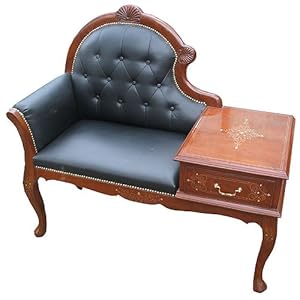
So I bought one of these:
 And now I have a home office. My living room has become a restful place of work. In a sunlit bay window, I can curl up on my
 telephone chair laptop chair, my Macbook fits snugly on its surface, and I can write and do accounts. At the back of the room, tucked in a corner, is my easel and assorted art paraphernalia. There, I paint. And nestled between the two corners is my turntable, to soundtrack whatever I'm doing. It's either vinyl or Spotify; my CDs are now little more than artifacts. The TV is on a lot less these days.
As for here, I'm having a bit of a clear out over the next few days. Deleting dead links, swapping things around a bit. The content here will be more music focused as well. I love fashion as much as ever, so I will probably still write about it, but I no longer consider this a fashion blog. It's just a vault for my various scribblings. These days I write for The Line of Best Fit but some things will just end up here. I haven't really worked out a sensible way of deciding what to submit and what to keep (I guess largely it comes down to what I imagine they'll want to run).
Painting takes up a lot of my life at the moment, and lots of business work relating to it; selling prints, sorting out shows, doing accounts (I thought I'd start as I mean to go on, and actually document receipts and the like. We'll see how long that lasts). The new blog header is a quick snapshot of one of my paintings. You can see more of that sort of thing at my other blog here. I'd really like to build a proper website for my work, but I've got to relearn HTML before I can do that. I have my work cut out for me...
As for here, I'm having a bit of a clear out over the next few days. Deleting dead links, swapping things around a bit. The content here will be more music focused as well. I love fashion as much as ever, so I will probably still write about it, but I no longer consider this a fashion blog. It's just a vault for my various scribblings. These days I write for The Line of Best Fit but some things will just end up here. I haven't really worked out a sensible way of deciding what to submit and what to keep (I guess largely it comes down to what I imagine they'll want to run).
Painting takes up a lot of my life at the moment, and lots of business work relating to it; selling prints, sorting out shows, doing accounts (I thought I'd start as I mean to go on, and actually document receipts and the like. We'll see how long that lasts). The new blog header is a quick snapshot of one of my paintings. You can see more of that sort of thing at my other blog here. I'd really like to build a proper website for my work, but I've got to relearn HTML before I can do that. I have my work cut out for me...
Pins + IO Echo @ Birthdays, Dalston
The singer does that nonchalant mooch back and forth - the one that Ian Brown built a career on, looking gloomily disgusted with the world. Only in this case, the singer's a bone-sized blonde with the silhouette of a screwdriver and a floorlength pale pink kimono billowing around her.
LA's IO Echo start like Stereolab, wearing their detached cool like armour, but they rapidly heat up and abandon themselves to the kind of mad, passionate MGMT pop where the guitars and bass boing around getting in your face and making jazz hands at your ears like incomprehensible idiots at a party.
It's kind of a let down when they feel the need to namedrop the bands who came to see them play but fuck it, they're good, so let's not hate on them too much. It's apt enough that they give chops to the Big Pink, because the London duo's seismic, belligerent sound is represented here in full force. It'll be interesting to see how this translates on record, because when you step back twenty feet IO Echo don't have the power to change your mind, let alone your life. But suspend disbelief and step back into the blast zone of the speakers and it makes instant, perfect sense. The bass drills through Birthdays' eyewatering sound system like Shell in the Niger Delta, and while there's not a new note to be found, it's a satisfying, sexy noise they make.
The problem with Pins is that Dum Dum Girls were doing this before them, and Vivian Girls before that, and the Raveonettes before that, and the Shangri-Las waaay before...you get the picture. Unlike Pins, they all added something new to the mix. Gurlvox over a nihilistic, doomed wave of not-so-nostalgic surf guitar is never not gonna sound good, but... is this it? There has to be something new to add to this genre, but Pins didn't pack it with their flightcases, arriving instead with glum looks, sharp hair and, seemingly, the hope that this is enough. It's not. They don't attack with enough conviction to justify music so frantically referential. It's slick and familiar when they break from the 60s retro and dip into Suicide's isolated, paranoid crackle instead, but the lack of personal ideas still rankles. Hey, Pins - do more! Be more! Show us something new. Find a way to put it all together differently, or just do it harder than anyone else.
It's kind of a let down when they feel the need to namedrop the bands who came to see them play but fuck it, they're good, so let's not hate on them too much. It's apt enough that they give chops to the Big Pink, because the London duo's seismic, belligerent sound is represented here in full force. It'll be interesting to see how this translates on record, because when you step back twenty feet IO Echo don't have the power to change your mind, let alone your life. But suspend disbelief and step back into the blast zone of the speakers and it makes instant, perfect sense. The bass drills through Birthdays' eyewatering sound system like Shell in the Niger Delta, and while there's not a new note to be found, it's a satisfying, sexy noise they make.
The problem with Pins is that Dum Dum Girls were doing this before them, and Vivian Girls before that, and the Raveonettes before that, and the Shangri-Las waaay before...you get the picture. Unlike Pins, they all added something new to the mix. Gurlvox over a nihilistic, doomed wave of not-so-nostalgic surf guitar is never not gonna sound good, but... is this it? There has to be something new to add to this genre, but Pins didn't pack it with their flightcases, arriving instead with glum looks, sharp hair and, seemingly, the hope that this is enough. It's not. They don't attack with enough conviction to justify music so frantically referential. It's slick and familiar when they break from the 60s retro and dip into Suicide's isolated, paranoid crackle instead, but the lack of personal ideas still rankles. Hey, Pins - do more! Be more! Show us something new. Find a way to put it all together differently, or just do it harder than anyone else.
Monday, 30 April 2012
Maxi skirts and Morocco
A long time ago, I wrote this about maxi skirts.
I have changed my mind.
Last week I went to Morocco. It was my first visit to a Muslim country (albeit a pretty relaxed one) and I decided not to be That Tourist, cheerfully oblivious to the dress code at her destination of choice. I saw one chap (orange tan, sailor tattoos) striding across Jemaa El Fna in shorts and flipflops and nothing else, and thought "..you tit."
I brought floorlength dresses and one pair of jeans, with a variety of long-sleeved tops to cover my shoulders & collarbone with, and some scarves to cover my hair. One dress was madly patterned, Pucci-style, in purple, blue, green and acid yellow; I wore a thin acid yellow jumper on top. Another was in two layers of sheer grey chiffon, over which I wore Topshop's ribbed nut-coloured cropped top, and the third was a recent purchase; a perfect, plain black jersey racerback dress. It's floorlength but not especially roomy; it still hugs the figure at one's curvier extremes, falling gracefully from the knees downwards. Amazing with the loose acid saffron separates that Monki do right now, but even better with a sheer, tomato-red lurex batwing jumper. I wore headscarves that complemented the colours of the clothes; with the black and red, I wore a flowery silk scarf in similar colours. There is an art to tying a headscarf in such a way that it stays atop one's bonce and conceals most of the hair, but does not look as though one has bandaged one's head.
For someone used to wearing less...sedate clothes, it was a strange departure, and one I really enjoyed. I felt elegant in my head-to-toe attire. I felt dignified, and if anyone had made any cheeky remarks, I think I would have felt qualified to fix them with my most owlish hard stare, a bit like my Year 10 science teacher used to do. I didn't feel frumpy, as I feared I might; I guess that's down to the cut of the clothes. They didn't swamp me - one could still see basically what shape I was - but they left much more to the imagination than, I guess, elegant and more typically western clothes do. Wearing such long clothes definitely made me feel more grown-up - and quite a lot taller.
Marrakech itself was wonderful; a festival of colour and noise and scent. Animals everywhere; the streets are filled with untidy but seemingly quite content and friendly cats, donkeys navigate the crowded alleyways tugging high-laden carts, horses pull carriages and the sound of birdsong is cacophonous and quite distinct; certain phrases reverberated in my head for days afterwards. Everywhere you go, you can smell mint and cumin, often interrupted by the less glamorous smells of the street but there were very few genuinely unpleasant pongs.
The colour is something else; predominantly a clay-pink city, the rainbow colours of the souks dominate everything. Every shopkeeper puts his wares on full display; one of the prettiest things was the frequent 8-foot high displays of coloured slippers. Every colour seems brighter, and every spice seller and apothecary (of which there are hundreds) calls out, "Excuse me! What is this??", pointing to one or another mysterious ware to pique your curiosity.
It's not a city for the claustrophobic or misanthropic but it is wildly beautiful and exciting, and if you settle into the pull-and-push of it, very welcoming. One charming young apothecary first loaded us up with free gifts and then sat us down for some mint tea, brought alive by an eye-opening burst of eucalyptus (my mother nearly spluttered her tea out on tasting it), and chatted with us for 45 minutes in French and English, teaching us Arabic words and knowing full well that we'd buy a good selection of his wares. When we made to leave and find some lunch, he fetched his brother to ferry us to the rooftop of nearby riad for a hearty lunch.
Of course, they all made a tidy sum from our custom, but we had one of the nicest meals of the entire stay, and got one of the best possible introductions to the city - as well as a lifetime's supply of eucalyptus crystals, oregano and ras el hanout mixed spice, and a ceramic lip stain (you wet your finger and run it along the gold-painted ceramic ornament, and it comes off red on your finger). The moral: stay and take a guess, when they ask you "What is this??" And remember to say thank you - 'shukran'!
Last week I went to Morocco. It was my first visit to a Muslim country (albeit a pretty relaxed one) and I decided not to be That Tourist, cheerfully oblivious to the dress code at her destination of choice. I saw one chap (orange tan, sailor tattoos) striding across Jemaa El Fna in shorts and flipflops and nothing else, and thought "..you tit."
I brought floorlength dresses and one pair of jeans, with a variety of long-sleeved tops to cover my shoulders & collarbone with, and some scarves to cover my hair. One dress was madly patterned, Pucci-style, in purple, blue, green and acid yellow; I wore a thin acid yellow jumper on top. Another was in two layers of sheer grey chiffon, over which I wore Topshop's ribbed nut-coloured cropped top, and the third was a recent purchase; a perfect, plain black jersey racerback dress. It's floorlength but not especially roomy; it still hugs the figure at one's curvier extremes, falling gracefully from the knees downwards. Amazing with the loose acid saffron separates that Monki do right now, but even better with a sheer, tomato-red lurex batwing jumper. I wore headscarves that complemented the colours of the clothes; with the black and red, I wore a flowery silk scarf in similar colours. There is an art to tying a headscarf in such a way that it stays atop one's bonce and conceals most of the hair, but does not look as though one has bandaged one's head.
For someone used to wearing less...sedate clothes, it was a strange departure, and one I really enjoyed. I felt elegant in my head-to-toe attire. I felt dignified, and if anyone had made any cheeky remarks, I think I would have felt qualified to fix them with my most owlish hard stare, a bit like my Year 10 science teacher used to do. I didn't feel frumpy, as I feared I might; I guess that's down to the cut of the clothes. They didn't swamp me - one could still see basically what shape I was - but they left much more to the imagination than, I guess, elegant and more typically western clothes do. Wearing such long clothes definitely made me feel more grown-up - and quite a lot taller.
Marrakech itself was wonderful; a festival of colour and noise and scent. Animals everywhere; the streets are filled with untidy but seemingly quite content and friendly cats, donkeys navigate the crowded alleyways tugging high-laden carts, horses pull carriages and the sound of birdsong is cacophonous and quite distinct; certain phrases reverberated in my head for days afterwards. Everywhere you go, you can smell mint and cumin, often interrupted by the less glamorous smells of the street but there were very few genuinely unpleasant pongs.
The colour is something else; predominantly a clay-pink city, the rainbow colours of the souks dominate everything. Every shopkeeper puts his wares on full display; one of the prettiest things was the frequent 8-foot high displays of coloured slippers. Every colour seems brighter, and every spice seller and apothecary (of which there are hundreds) calls out, "Excuse me! What is this??", pointing to one or another mysterious ware to pique your curiosity.
It's not a city for the claustrophobic or misanthropic but it is wildly beautiful and exciting, and if you settle into the pull-and-push of it, very welcoming. One charming young apothecary first loaded us up with free gifts and then sat us down for some mint tea, brought alive by an eye-opening burst of eucalyptus (my mother nearly spluttered her tea out on tasting it), and chatted with us for 45 minutes in French and English, teaching us Arabic words and knowing full well that we'd buy a good selection of his wares. When we made to leave and find some lunch, he fetched his brother to ferry us to the rooftop of nearby riad for a hearty lunch.
Of course, they all made a tidy sum from our custom, but we had one of the nicest meals of the entire stay, and got one of the best possible introductions to the city - as well as a lifetime's supply of eucalyptus crystals, oregano and ras el hanout mixed spice, and a ceramic lip stain (you wet your finger and run it along the gold-painted ceramic ornament, and it comes off red on your finger). The moral: stay and take a guess, when they ask you "What is this??" And remember to say thank you - 'shukran'!
Who feels like going shopping?
Ladies! STOP THROWING OUT YOUR CLOTHES.
Ignore every magazine article that tells you to streamline your wardrobe and chuck out anything you haven't worn in the last year. They're just trying to get you to get rid of your shit so that you'll go out and buy more. It's a massive conspiracy. A capsule wardrobe is only useful if you have zero interest in fashion (fair enough) or are going on holiday. Your clothes are not out of date, they probably just need re-contextualising.
I learned this the hard way. I still regret things I let go. I know now that I was wrong.
My favourite pair of trousers lived in a screwed up ball at the back of my wardrobe for ten years. They were a charity shop gamble, a brocade mistake. Never did I think they'd be stylish, and I thought I'd wasted my £5 (at 17, when most things in charity shops were £2.50, this was upsetting). Now they come out every summer. They would make Lana del Rey weep. She'll never have a pair of trousers like these. They are super high-waisted in soft silk copper and black brocade, slim-cut and cropped at the ankle, and they look phenomenal with wedge sandals. They didn't stay up well at the waist, so I made belt-loops out of an old black dress lining (a new challenge; easy, it turns out. Just cut the length, then fold in to hide the edges and get your needle & thread out) and I wear them with skinny belts.
Every time my boyfriend suggests I throw some clothes out, I retrieve the trousers, hold them up and make this face:

He hates those fucking trousers now.
Store your stuff better. Keep frequently worn clothes in one place. Keep things you haven't worn in ages somewhere else, rolled up very tightly, to save space. (Mothballs and clothes bags are useful.) When you get bored of your clothes, rummage through these things. Treat your wardrobe as a treasure trove. Keep a good sewing kit to hand.
You don't have to be a pro to make changes and update things in small ways. Mend your clothes when they break. It's easy to raise or repair a hem (turn inside out, fold along a straight line, pin, try on to make sure it doesn't look wack, then sew it with a machine or needle & thread). New buttons are a doddle and take a few minutes. You can take an open necked shirt and add a new buttonhole at the top so it buttons all the way to the top (buttonholes don't need a fancy sewing machine; mark where you want the button, make a slit in the right place, check it's not too big/small, and make tiny looped stitches around the raw edges to secure it). Buy different collars to add to shirts, rather than buying a new shirt. You can remove or shorten sleeves, change belts, dye clothes in the washing machine, or sew parallel seams down the sides of skirts to change the fit slightly.
Cheap secondhand clothes are awesome for risking DIY on; spend yr money something oversized and just see what you can do with it (I made a prom dress out of a mumsy old C&A dress, and I lack the sewing skillz. I just put it on inside out, pinned a new outline around myself, and then used the pins as a guide to draw and sew new seams down the sides - a smaller waist, keeping the fullness of the skirt, and a lower-cut neckline). It's not too tricky, just set aside an afternoon to do it. If nothing else, the fabric might be useful for other things. If you find a good cheap basic that fits amazingly, note it and buy two or three; better to have a standby (or something to alter later) than rue the unhappy day when it wears out and you waste money fruitlessly trying to find a perfect replacement.
Ditch your things if you truly decide you hate them, or if they'll never ever fit you again and are totally unsalvageable, or if someone vomited on them at a party and the smell haunts you. Otherwise there's a good chance they'll save you money later on.
Every time you feel the need for something new, ask yourself if you could make it out of something you already have.
If you decide you really hate your old clothes and want new stuff, try swapping them at clothes swaps, either with friends or at proper events. I surrendered a Miu Miu shirt that I finally accepted wasn't meant for the likes of me, and got a free pair of plum and gold heels instead. Or sell them on eBay/car boot sales etc, and then use the proceeds to buy something new.
Don't buy things you know you'll throw out three months from now! PLEASE.
It's fuelling the fast-fashion industry at the expense of independent stores and it's encouraging magazines to keep selling us more tat, momentarily satisfying the mustbuysomethingNOW itch but not actually making us feel like the elegant, put-together mavens they promise we'll become. And it's a huge waste of money. Find shops you can trust, shop second-hand, sniff out bargains that you'll keep for years. Try things on before paying for them.
Also, car boot sales are king. You know those clothes you're offloading because they'll never work for you? Everyone else here is doing the same, and they're not putting a £50 tag on it and calling it 'vintage'.
And stop buying magazines that tell you you're not thin or cool enough or having good enough sex. They're A4-sized Mean Girls and it's ludicrous to pay £4.00 a month to hang out with them. Unless they come with a free gift - I love those free makeup bags they give away.
Ignore every magazine article that tells you to streamline your wardrobe and chuck out anything you haven't worn in the last year. They're just trying to get you to get rid of your shit so that you'll go out and buy more. It's a massive conspiracy. A capsule wardrobe is only useful if you have zero interest in fashion (fair enough) or are going on holiday. Your clothes are not out of date, they probably just need re-contextualising.
I learned this the hard way. I still regret things I let go. I know now that I was wrong.
My favourite pair of trousers lived in a screwed up ball at the back of my wardrobe for ten years. They were a charity shop gamble, a brocade mistake. Never did I think they'd be stylish, and I thought I'd wasted my £5 (at 17, when most things in charity shops were £2.50, this was upsetting). Now they come out every summer. They would make Lana del Rey weep. She'll never have a pair of trousers like these. They are super high-waisted in soft silk copper and black brocade, slim-cut and cropped at the ankle, and they look phenomenal with wedge sandals. They didn't stay up well at the waist, so I made belt-loops out of an old black dress lining (a new challenge; easy, it turns out. Just cut the length, then fold in to hide the edges and get your needle & thread out) and I wear them with skinny belts.
Every time my boyfriend suggests I throw some clothes out, I retrieve the trousers, hold them up and make this face:

He hates those fucking trousers now.
Store your stuff better. Keep frequently worn clothes in one place. Keep things you haven't worn in ages somewhere else, rolled up very tightly, to save space. (Mothballs and clothes bags are useful.) When you get bored of your clothes, rummage through these things. Treat your wardrobe as a treasure trove. Keep a good sewing kit to hand.
You don't have to be a pro to make changes and update things in small ways. Mend your clothes when they break. It's easy to raise or repair a hem (turn inside out, fold along a straight line, pin, try on to make sure it doesn't look wack, then sew it with a machine or needle & thread). New buttons are a doddle and take a few minutes. You can take an open necked shirt and add a new buttonhole at the top so it buttons all the way to the top (buttonholes don't need a fancy sewing machine; mark where you want the button, make a slit in the right place, check it's not too big/small, and make tiny looped stitches around the raw edges to secure it). Buy different collars to add to shirts, rather than buying a new shirt. You can remove or shorten sleeves, change belts, dye clothes in the washing machine, or sew parallel seams down the sides of skirts to change the fit slightly.
Cheap secondhand clothes are awesome for risking DIY on; spend yr money something oversized and just see what you can do with it (I made a prom dress out of a mumsy old C&A dress, and I lack the sewing skillz. I just put it on inside out, pinned a new outline around myself, and then used the pins as a guide to draw and sew new seams down the sides - a smaller waist, keeping the fullness of the skirt, and a lower-cut neckline). It's not too tricky, just set aside an afternoon to do it. If nothing else, the fabric might be useful for other things. If you find a good cheap basic that fits amazingly, note it and buy two or three; better to have a standby (or something to alter later) than rue the unhappy day when it wears out and you waste money fruitlessly trying to find a perfect replacement.
Ditch your things if you truly decide you hate them, or if they'll never ever fit you again and are totally unsalvageable, or if someone vomited on them at a party and the smell haunts you. Otherwise there's a good chance they'll save you money later on.
Every time you feel the need for something new, ask yourself if you could make it out of something you already have.
If you decide you really hate your old clothes and want new stuff, try swapping them at clothes swaps, either with friends or at proper events. I surrendered a Miu Miu shirt that I finally accepted wasn't meant for the likes of me, and got a free pair of plum and gold heels instead. Or sell them on eBay/car boot sales etc, and then use the proceeds to buy something new.
Don't buy things you know you'll throw out three months from now! PLEASE.
It's fuelling the fast-fashion industry at the expense of independent stores and it's encouraging magazines to keep selling us more tat, momentarily satisfying the mustbuysomethingNOW itch but not actually making us feel like the elegant, put-together mavens they promise we'll become. And it's a huge waste of money. Find shops you can trust, shop second-hand, sniff out bargains that you'll keep for years. Try things on before paying for them.
Also, car boot sales are king. You know those clothes you're offloading because they'll never work for you? Everyone else here is doing the same, and they're not putting a £50 tag on it and calling it 'vintage'.
And stop buying magazines that tell you you're not thin or cool enough or having good enough sex. They're A4-sized Mean Girls and it's ludicrous to pay £4.00 a month to hang out with them. Unless they come with a free gift - I love those free makeup bags they give away.
Subscribe to:
Posts (Atom)